Home › Industrial and Heavy-Duty Asphalt Paving
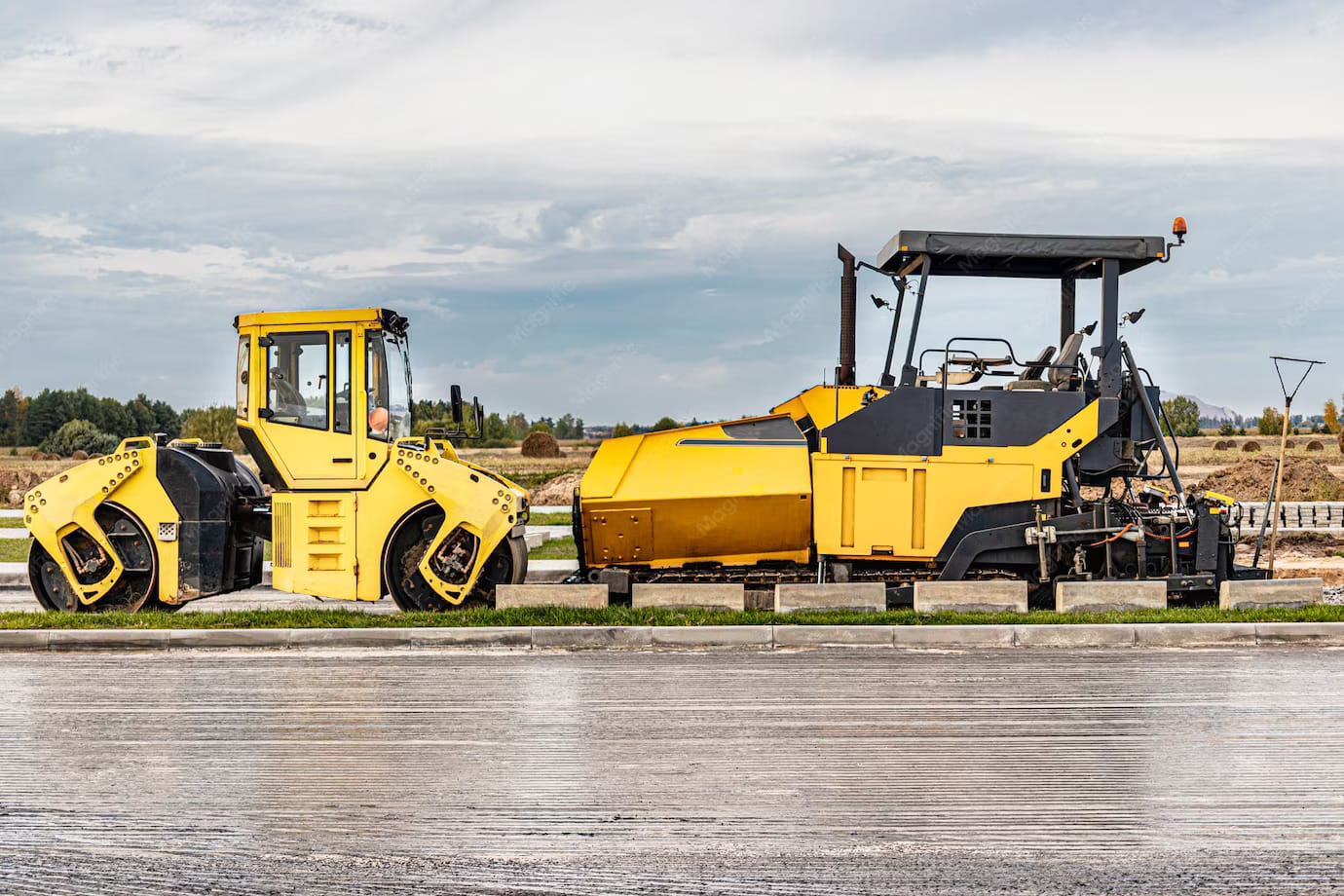
Handle heavy loads safely with industrial asphalt paving in Boise, ID. We design thick, reinforced asphalt sections for truck yards, loading docks, and equipment areas. Our team evaluates subgrade strength and traffic patterns, then installs heavy duty asphalt systems that resist rutting, shoving, and fuel spills in demanding environments.
Precision Asphalt Boise provides professional industrial asphalt paving throughout Boise, ID, ID and the surrounding area. Our licensed, insured crew delivers safe, clean, on-time work with a free estimate before anything begins. Call (208) 783-3122 or request your free quote.
Industrial Asphalt Paving Built for Boise Workloads
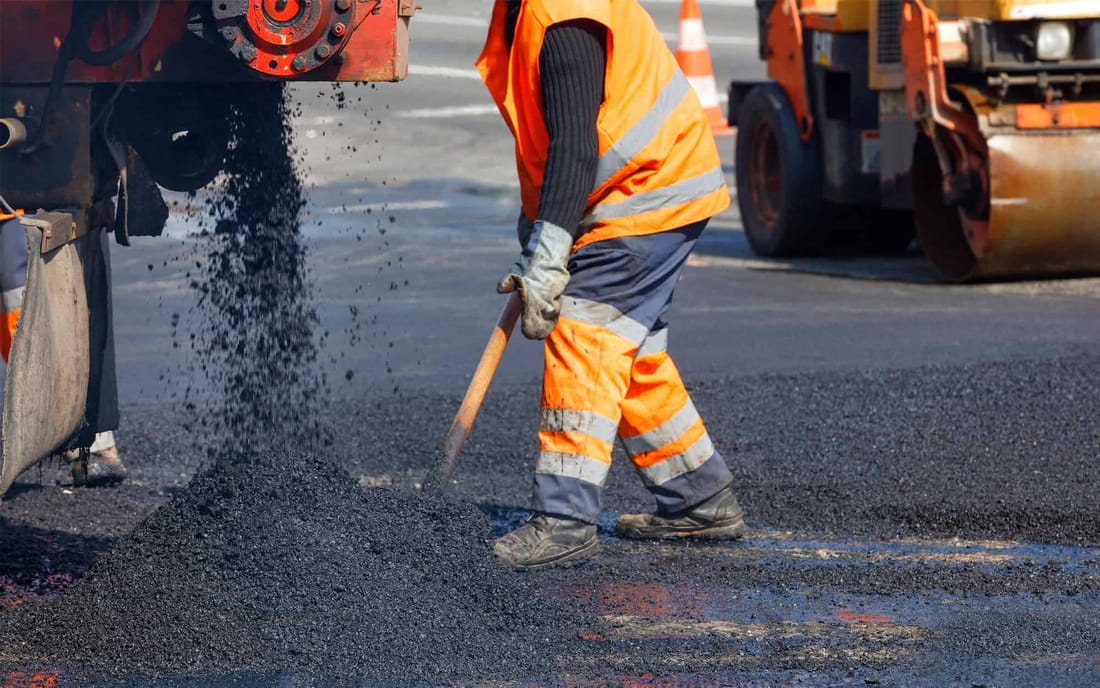
Industrial and heavy-duty asphalt paving is a different animal than a basic parking lot. At Precision Asphalt Boise, we design pavements that can handle constant truck traffic, forklifts, loaded trailers, and frequent turning movements without rutting or breaking apart.
In Boise, industrial sites see wide temperature swings, freeze-thaw cycles, and a mix of snow, sand, and de-icer in the winter. All of that is hard on asphalt. To handle it, we adjust the thickness of the rock base, the asphalt mix, and even the slope of your surface so that water drains off quickly instead of soaking in and creating potholes.
Typical industrial projects we handle include distribution centers, trucking yards, loading docks, fuel and maintenance yards, equipment storage pads, and heavy-use access roads. For each one, we start by asking specific questions about the site: what types of vehicles use it, axle loads, turning patterns, whether trucks are parked in the same spots overnight, and what chemicals or oils may hit the pavement.
From there we pull local soils information from the Boise area and then verify it on site. Industrial sites in Boise and Meridian often sit on compacted fill with varying moisture levels. That affects how deep we need to excavate and how thick we build the base. This is why two projects with the same square footage can have very different designs and costs.
How Our Heavy-Duty Asphalt Process Works
For industrial asphalt paving to hold up, the process has to be tight from soil preparation to final compaction. Precision Asphalt Boise follows a step-by-step approach that is specific to heavy-duty work, not just light car traffic.
1. Site evaluation and core testing. On larger jobs we recommend core samples of any existing pavement and basic soil probes. This tells us whether the subgrade has been pumping water, whether there are soft spots, and how thick the old structure actually is. Skipping this step is a common reason industrial pavements fail early.
2. Excavation and subgrade preparation. We remove unsuitable material until we reach firm, stable soil, then proof-roll the area with a loaded truck to locate any soft pockets. Any areas that deflect too much are dug out and replaced. In the Boise Valley we often encounter fine silty soils that hold water, so we may recommend undercutting a little deeper in those zones to prevent future rutting.
3. Aggregate base installation. For heavy-duty use, we typically install 6 to 12 inches of compacted crushed rock, sometimes more under truck lanes and dock approaches. The base is placed in layers, compacted with vibratory rollers, and checked for density and cross slope. On some projects we use a different base gradation in turning areas to better resist shoving.
4. Asphalt mix placement in multiple lifts. Industrial asphalt paving usually involves two or three lifts: a base course and one or two surface courses. The lower lifts use a coarser, stronger mix. The top lift uses a tighter surface mix that resists raveling and fuel damage. Each lift is laid at a specific temperature, compacted to target density, and checked for smoothness with a straightedge, especially in dock and forklift zones.
5. Joints, transitions, and details. Extra attention goes into saw-cut joints at doors, drains, trench patches, and concrete pads. We seal these joints and tie into concrete slabs so that edges do not crumble. For businesses that run 24/7, we can phase the project so that some lanes stay open while others are paved.
Design Options for Heavy Loads, Forklifts, and Truck Traffic
Most Boise industrial sites do not need a textbook design, they need something tailored to how the yard is actually used. Precision Asphalt Boise offers several design options that can be mixed across a single property so you are not over-building low-use areas or under-building high-stress zones.
Different build sections. Your loading dock aprons, dumpster pads, and main truck lanes usually get the thickest asphalt structure and sometimes a reinforced base or concrete transition. Employee parking or overflow trailer parking can often use a slightly lighter section and still perform very well.
Mix types. For heavy-duty industrial areas we often recommend a higher stability asphalt mix with a stiffer binder and more crushed aggregate. This helps resist rutting under slow, heavy loads. In areas where forklifts turn sharply, like warehouse doors, we may add an extra half inch of surface mix to reduce scuffing damage.
Drainage and slope. Standing water shortens pavement life. On older Boise sites we often see flat truck yards with puddles that turn to ice in winter. During design we set minimum slope, often 1.5 to 2 percent, and add trench drains or inlets where needed. We also look at where snow is typically piled and, when possible, adjust grades so meltwater runs away from high-traffic zones.
Surface treatments and markings. Depending on how you use your space, we can add high-visibility striping, wheel stop layouts, and stenciling for numbered trailer stalls. For fuel areas or locations with frequent oil spills, we may recommend a tighter surface mix and a scheduled sealcoat program to help resist softening and raveling.
What Drives Cost and How to Control It
Industrial asphalt paving costs in Boise are driven by more than just square footage. Understanding the real cost factors can help you set a realistic budget and avoid surprises.
Existing conditions. If your current yard is severely alligatored, holds water, or has been overlaid multiple times, we may need full-depth removal. That adds trucking and disposal costs. On the other hand, if the base is still solid, we can sometimes mill the surface and place new heavy-duty lifts on top, which is more cost effective.
Thickness and materials. More asphalt and more base mean higher cost, but cutting thickness to save money almost always shortens life, especially with heavy trucks. Precision Asphalt Boise usually provides at least two design options: a long-life section and a more budget-conscious section, and explains the tradeoff in expected service life.
Phasing and downtime. Many industrial operations in the Boise area cannot shut down. Phasing the project so your business can keep running usually costs more because of extra mobilizations and tighter work windows, but it avoids lost revenue from closing the facility. Night work or weekend work is available when necessary and priced accordingly.
Drainage corrections and add-ons. Fixing poor drainage, relocating inlets, or adding new trench drains is an investment that prevents future damage. We break these out on the proposal so you can see what is structural need and what is optional improvement.
To control costs, we recommend planning at least one season ahead. This gives time to evaluate the site, consider alternates like partial reconstruction, and lock in a schedule before the Boise paving calendar fills up in late spring and summer.
Common Industrial Pavement Problems and How We Prevent Them
Industrial asphalt in Boise tends to fail in predictable ways: ruts in truck lanes, potholes at dock doors, and cracking where water sits. Precision Asphalt Boise designs and builds to prevent these problems, and we can also help you rehabilitate an existing yard before it becomes unsafe.
Rutting and depressions. Ruts usually show that the asphalt mix or structure was not designed for the load, or the base or subgrade was not compacted well. We prevent this by choosing higher stability mixes, increasing base and asphalt thickness under wheel paths, and proof-rolling the subgrade. When repairing ruts, we mill or saw-cut down into the failed area and rebuild from the base up instead of just filling the groove.
Edge failures and crumbling. Yards that were expanded over time sometimes have thin edges with no support. Heavy trucks running near the edge cause cracking and breaking. We recommend concrete or asphalt edge support in areas where trucks will ride the outer limits, and we avoid leaving abrupt drop-offs that invite breakage.
Ponding and freeze-thaw damage. Water that sits in low spots will seep into small cracks, then expand when it freezes. Over a few Boise winters, that turns into potholes. We prevent this by designing proper slopes, checking grade during construction, and using tight surface mixes in flat, high-traffic areas. When we rehab an older yard, we often use milling to reshape the surface and remove low spots before adding new asphalt.
Chemical and fuel exposure. Industrial sites see oils, solvents, and fuel spills that can soften asphalt over time. While asphalt is somewhat resistant, repeated exposure eventually weakens it. In fueling areas and maintenance yards we may recommend extra thickness, tighter gradation surface mixes, and a maintenance plan that includes regular cleaning and scheduled sealcoating.
If you are planning an industrial or heavy-duty asphalt project in the Boise area, the most important step is a site-specific plan. A quick walk-through and some basic measurements often reveal ways to extend pavement life while keeping construction practical for your operation.