Home › Asphalt Resurfacing & Overlays
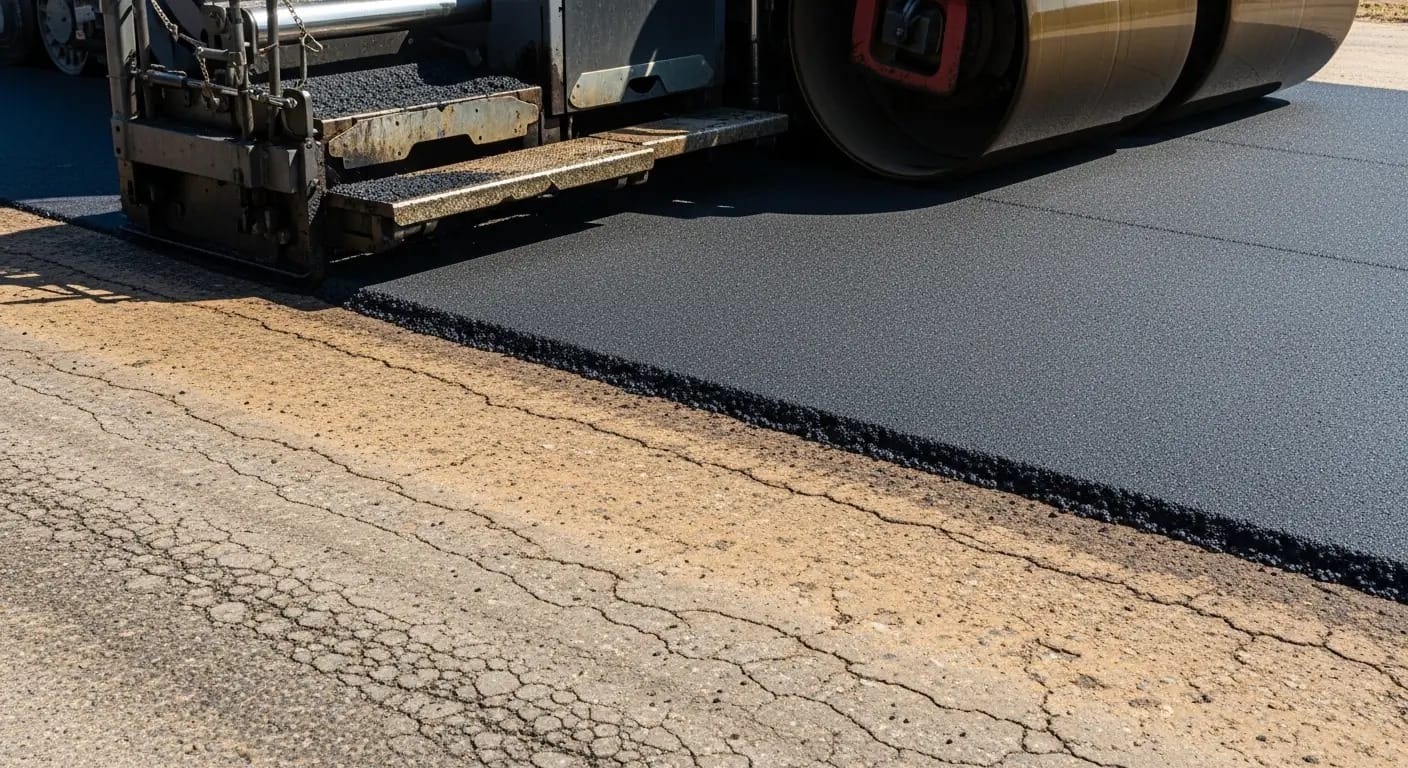
Extend the life of your driveway with asphalt resurfacing in Boise, ID. We repair problem areas, then apply a new asphalt overlay that smooths rough surfaces and covers widespread wear. Our team evaluates your base to ensure resurfacing is the right option, saving you money compared to full replacement while still improving appearance and performance.
Precision Asphalt Boise provides professional asphalt resurfacing throughout Boise, ID, ID and the surrounding area. Our licensed, insured crew delivers safe, clean, on-time work with a free estimate before anything begins. Call (208) 783-3122 or request your free quote.
Asphalt Resurfacing in Boise: Fixing Pavement Without Full Replacement
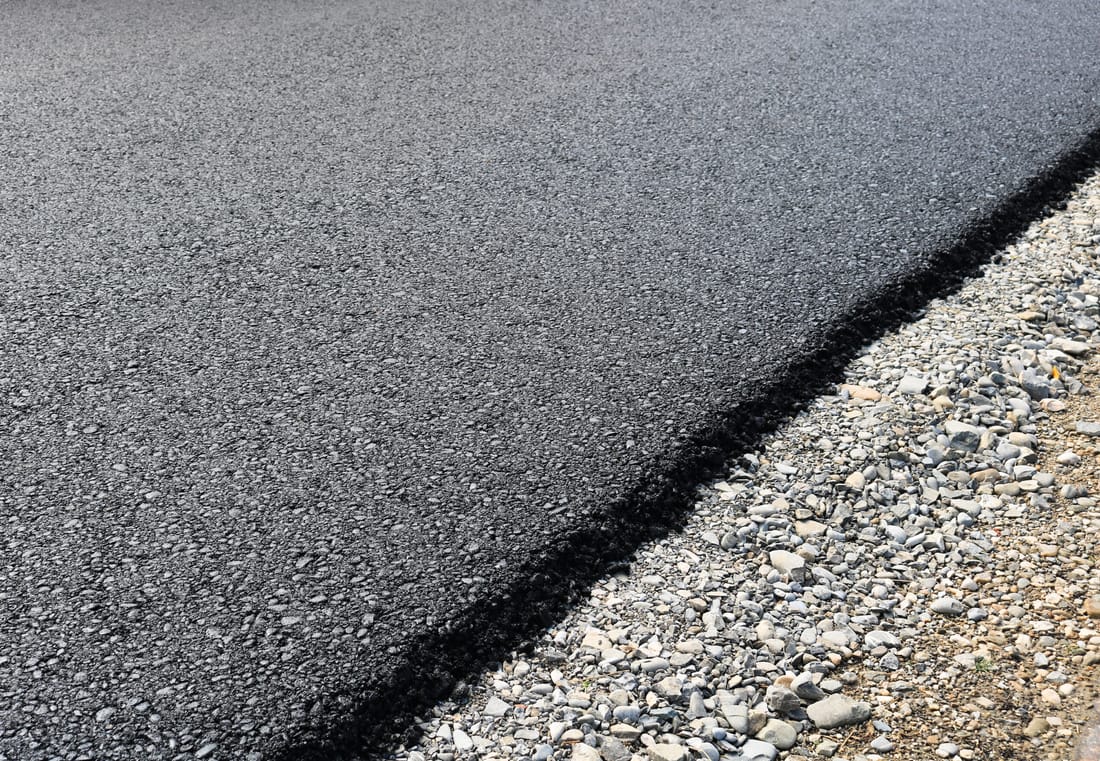
When asphalt gets cracked, rutted, or faded but the base underneath is still solid, asphalt resurfacing is often the smartest option for Boise property owners. Instead of tearing everything out, Precision Asphalt Boise mills or grinds off the top layer of pavement, repairs trouble spots, then installs a fresh asphalt overlay that bonds to the existing surface.
In our climate, many driveways and parking lots start to show surface problems after years of UV exposure, winter freeze-thaw cycles, and snow removal. Resurfacing can often restore a smooth, black finish at a lower cost than full reconstruction, as long as the subbase is stable and drainage is correct. Our crew evaluates each project in person in Boise and surrounding communities, then explains whether asphalt resurfacing is truly the right fit or if a different approach will last longer for you.
Precision Asphalt Boise focuses on practical solutions. We explain what is salvageable, how much existing asphalt can stay in place, and where investing in extra base repairs will save you money on future maintenance.
How We Inspect and Decide if Resurfacing or Overlays Will Work
The first step is a detailed pavement evaluation. A Precision Asphalt Boise estimator walks the entire area with you, noting cracks, potholes, soft spots, standing water, and previous patches. We ask how old the pavement is, what traffic it carries (cars only, delivery trucks, garbage trucks, RVs), and how often it is plowed or de-iced.
We core test or probe suspect areas to check base thickness and stability. If the asphalt flexes underfoot, pumps water when driven over, or has extensive alligator cracking across most of the area, a simple overlay will not hold up. In those cases, we explain what sections need full-depth repair before any resurfacing. If the damage is more isolated, like scattered cracks, some ruts at drive lanes, or a few potholes, resurfacing is typically a good candidate.
For Boise commercial properties, we also consider ADA slope requirements near entrances and accessible parking. Resurfacing adds thickness, so we measure existing grades to ensure that an overlay will not create trip hazards at transitions or make a ramp out of compliance. If adjustments are needed, we plan milling depths and feathering to keep everything within code.
Step-by-Step: Our Asphalt Resurfacing & Overlay Process
Once we confirm that asphalt resurfacing is appropriate, Precision Asphalt Boise follows a clear, methodical process tailored to your site.
1. Surface cleaning and prep: We power sweep and blow off the pavement so milling equipment and new asphalt can bond properly. Any oil spots receive a primer or are cut out if they are severe.
2. Milling or grinding: For overlays that need to tie into existing concrete (like garage slabs, sidewalks, or gutter pans), we mill down around those edges so the finished surface matches the old height. This prevents a lip that can catch snowplows or trip pedestrians. On some Boise driveways we may skip heavy milling and instead grind only high spots and bad patches.
3. Structural patching: We remove and replace weak areas before resurfacing. This may involve cutting out failed sections, rebuilding the base with compacted gravel, then installing new base asphalt. Ignoring these bad spots is what causes many overlays to fail early, so we are careful here.
4. Leveling course (if needed): On rutted parking lanes or wavy driveways, we place a thin leveling course to even the surface before the final overlay. This makes for a smoother finished look and more uniform drainage.
5. Asphalt overlay installation: We install a hot-mix asphalt layer, usually 1.5 to 2 inches thick for light residential use and 2 to 3 inches for heavier commercial traffic. The mix design and thickness are chosen based on expected load and Boise weather conditions, then compacted with steel drum and pneumatic rollers for proper density.
6. Joints and edges: We seal or tack all joints between new and existing asphalt to reduce moisture infiltration. Edges are carefully compacted and, where appropriate, backed with shoulder gravel to prevent crumbling.
7. Striping and finishing: For commercial lots, we restripe stalls, ADA spaces, and fire lanes after cure time. For homes, we walk the site with you, point out any areas to avoid during curing, and explain ongoing care.
Material Choices and Design Options for Your Overlay
Not every overlay in Boise needs the same asphalt mix or look. Precision Asphalt Boise discusses options so your resurfaced pavement matches how you use it.
For residential driveways, we normally recommend a finer-graded surface mix that compacts smooth and looks clean in front of a home. If you regularly park heavy trailers or RVs, we may suggest a slightly thicker overlay or a mix with more stone to resist rutting.
For commercial parking lots, we adjust mix designs based on traffic patterns. Drive lanes that see repeated truck or garbage collection traffic may receive a heavier-duty mix or added thickness while lower traffic stalls can use a standard surface mix. This targeted approach keeps costs realistic without sacrificing performance where it matters most.
We also plan for drainage during design. If your driveway or lot currently collects puddles, we can use leveling courses and careful slope adjustments in the overlay to move water toward existing drains, valley gutters, or landscape areas. Correcting drainage issues while resurfacing is far less expensive than trying to fix them later.
If you have HOA standards in Boise or nearby subdivisions that specify pavement appearance, we can align the finished texture and layout with neighborhood expectations, including joint locations, edges, and striping colors in shared private lanes.
What Affects the Cost of Asphalt Resurfacing in Boise
Resurfacing is usually less expensive than full replacement, but several specific factors drive pricing. Precision Asphalt Boise explains these up front so you can compare options clearly.
1. Size and layout: Large, open areas cost less per square foot than many small sections with tight access. A straightforward rectangular parking lot is more efficient to pave than a driveway with multiple branches and tight turns.
2. Existing condition: The number and severity of soft spots, potholes, and alligator cracking affect how much base repair is required. More cut-out and patch work before the overlay adds labor and material but is essential for longevity.
3. Milling requirements: If we must mill to match existing concrete entries, valley gutters, or city street elevations, that adds a line item. Boise city tie-ins often require more precise milling to keep transitions smooth at the public roadway.
4. Thickness and mix type: Heavier-duty commercial overlays and thicker sections use more asphalt and may require specialized mixes. We balance initial cost against long-term durability, especially where heavy trucks or delivery vehicles are common.
5. Access and timing: Working around business hours, tight residential streets, or HOA restrictions on work hours can affect production rates. We coordinate schedules to minimize disruption, but it sometimes requires breaking work into phases.
We provide written, itemized proposals so you can see exactly where your resurfacing budget is being used and what is included, from prep and patching to striping and cleanup.
Local Considerations: Boise Climate, Regulations, and Scheduling
Boise’s freeze-thaw cycles, summer heat, and winter maintenance practices strongly influence how and when asphalt resurfacing should be done. Precision Asphalt Boise times overlay work to avoid cold snaps or extreme heat that can affect compaction and bonding.
For most residential and commercial projects, we schedule resurfacing in the warmer months and avoid paving when overnight temperatures will drop too low. If the surface is damp from irrigation or recent rain, we allow proper drying time before applying tack coat or asphalt to ensure a strong bond.
In city tie-in areas, such as commercial drive approaches to public streets, we follow Boise City standards for transitions and may coordinate with inspectors when required for larger projects. For private subdivisions with HOAs, we often help property managers prepare notices for residents, including when vehicles must be moved, where temporary parking is allowed, and how long the new overlay needs to cure before driving or parking on it.
We also pay attention to snowplow use. If your resurfaced lot or driveway is regularly plowed, we set expectations with your plow contractor about blade height and where to avoid scraping at raised utility covers or new edges so the overlay is not damaged in its first winters.
What To Know Before Hiring an Asphalt Resurfacing Contractor
Before you commit to any asphalt resurfacing contractor in Boise, there are a few key points to check so your investment lasts.
Ask how they evaluate the base. A quality contractor like Precision Asphalt Boise will not simply measure square footage and quote a price. They should walk the site, probe weak areas, and explain where full-depth repairs are needed before an overlay.
Confirm the planned overlay thickness and mix. “Resurfacing” can mean many things. Make sure the proposal states how many inches of new asphalt will be installed, what type of mix, and whether a leveling course is included where needed.
Review how transitions will be handled. Pay special attention to garage entries, sidewalks, ADA ramps, and street tie-ins. Proper milling, feathering, and joint sealing at these locations are crucial for both safety and durability.
Finally, ask about local experience. A Boise-based crew understands how our soils, irrigation practices, and winter maintenance affect pavement. Precision Asphalt Boise has resurfaced residential driveways, townhome complexes, churches, and commercial lots across the Treasure Valley, and we are happy to provide local references so you can see our overlay work in person before you decide.