Home › Asphalt Milling and Reclamation
Prepare old pavement for a stronger future with asphalt milling in Boise, ID. We remove and recycle worn asphalt surfaces, correct elevations, and ready sites for new overlays. For severely failing pavement, our reclamation services blend existing materials into a stabilized base, reducing haul off costs and creating a solid foundation for new asphalt.
Precision Asphalt Boise provides professional asphalt milling throughout Boise, ID, ID and the surrounding area. Our licensed, insured crew delivers safe, clean, on-time work with a free estimate before anything begins. Call (208) 783-3122 or request your free quote.
Asphalt Milling and Reclamation for Boise Properties
Asphalt milling is one of the most efficient ways to restore worn pavement in Boise without paying for a full tear out and replacement. Precision Asphalt Boise uses heavy milling machines to grind off a controlled depth of your existing asphalt, typically between 1 and 4 inches, so we can correct surface problems while preserving the strong base underneath. This approach works very well on local subdivisions in West Boise and Meridian, older parking lots around downtown, and rural driveways in Eagle and Kuna.
Full-depth reclamation goes a step further. Instead of only removing the surface, we pulverize the existing asphalt and a portion of the base material, blend them together in place, and regrade it to form a new stabilized foundation. For aging lots built in the 70s and 80s, which are common in Boise, this method can solve long-term structural issues like base failure and recurring deep cracks without hauling everything to a landfill.
Choosing milling or reclamation over complete reconstruction often saves Boise property owners 20 to 40 percent, depending on site conditions, because we re-use the existing material and reduce trucking. It also lets us keep your business or HOA access open in stages, instead of shutting everything down for several days.
How Asphalt Milling Works Step by Step
On a typical Boise project, we begin with a site walk to mark drainage patterns, utility covers, and any soft or failed areas. We use lasers or a total station to capture key elevations near doors, garages, ADA ramps, and drains, since milling depth must respect these constraints to avoid creating trip hazards or puddling.
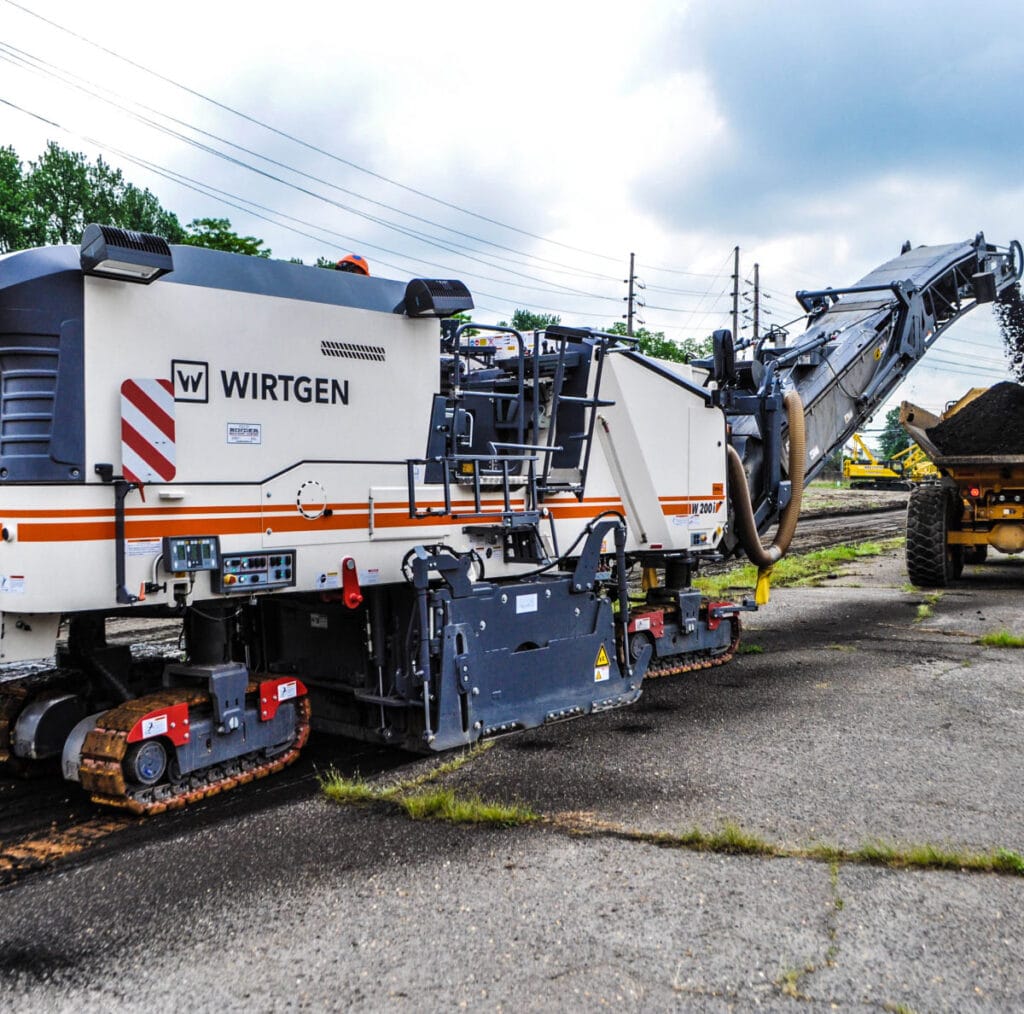
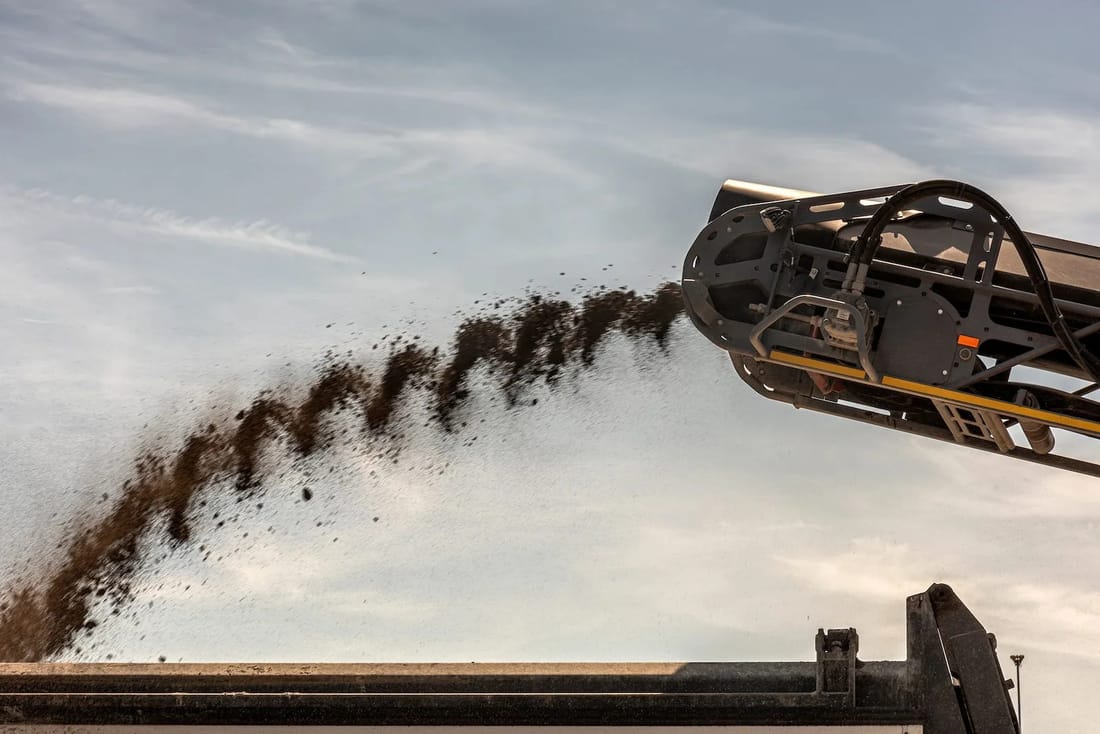
Our milling machine then grinds the surface in controlled passes. The drum inside the machine is equipped with dozens of carbide teeth that cut the asphalt into small, reusable millings. Conveyor belts load these millings directly into dump trucks so the work area stays clean and traffic-ready between passes. For residential driveways or tight commercial sites, we bring smaller profiling machines so we can work close to curbs, planters, and building edges.
After milling, we broom and blow the surface clean, then inspect for hidden issues that the old surface may have been masking, such as base soft spots or reflective cracks. In high-traffic areas like State Street or Fairview Avenue frontages, we often add a tack coat over the milled surface. This is a spray-applied bonding agent that helps the new asphalt layer adhere tightly to the old one, which is critical for heavy vehicle load and Boise’s freeze-thaw cycles. Finally, we place new hot-mix asphalt, compact it with steel and rubber-tire rollers, and re-stripe as needed.
What Full-Depth Reclamation Looks Like on the Ground
Asphalt reclamation is more involved than standard milling, but it is often the best choice for Boise pavements with widespread base failure, alligator cracking, or long-standing drainage problems. First, Precision Asphalt Boise cores or probes the existing pavement to confirm overall thickness and base conditions. If the base is weak or has multiple patched layers, reclamation is usually more cost-effective than chasing repairs year after year.
Using a reclamation machine, we pulverize the asphalt and a controlled portion of the underlying aggregate base, commonly 6 to 10 inches deep. We may introduce additional aggregate or a stabilizing agent, such as cement or emulsified asphalt, as we mix. This turns your old broken pavement into a uniform, engineered base that can handle heavier loads and Boise’s seasonal movement.
Once the material is pulverized and blended, we grade and compact it with motor graders and rollers to the correct slopes. This is when we permanently fix drainage issues that have plagued many Treasure Valley parking lots, such as standing water near entrances or in the center of aisles. After a curing period, we install new asphalt on top, typically 3 to 4 inches for commercial lots and 2.5 to 3 inches for residential driveways, tailored to traffic and budget.
Local Factors that Impact Milling Results in Boise
Boise pavements face a unique combination of hot, dry summers, cold snaps, and freeze-thaw cycles. That climate, along with irrigation overspray and occasional overloading from agricultural or construction traffic, dictates how we approach milling and reclamation. Precision Asphalt Boise adjusts milling depths and mix choices with these conditions in mind so your project holds up more than a few seasons.
In older Boise neighborhoods like the North End and Bench, many driveways were built before current standards and often have very thin asphalt over marginal base. In those situations, we may recommend light milling only for cosmetic improvement or a full-depth reclamation if you want a long-term solution. Simply milling too aggressively on thin sections can expose unstable base, leading to premature failure.
On commercial projects near Boise Towne Square and along Eagle Road, traffic loads are much higher and often include delivery trucks and semi-trailers. For these lots, milling is usually paired with a thicker replacement lift, and we focus on reinforcing drive lanes, dumpster pads, and loading zones. Anticipating where the heaviest traffic occurs allows us to design the milled profile and overlay thickness to prevent rutting and shoving in those high-stress areas.
Cost Drivers for Asphalt Milling and Reclamation
Every Boise milling or reclamation project is priced around specific conditions on your property rather than a one-size-fits-all square foot rate. The most important factors are total area, the depth we need to mill or reclaim, and the condition of the existing base. Deeper milling or full-depth reclamation requires more machine time, more truck hauling, and more new asphalt, which all influence cost.
Access also matters. Open shopping center lots with wide aisles are faster and less expensive per square foot than tight inner-city sites with limited staging and many adjustments around utilities, entrances, and landscaping. Irregular shapes, multiple islands, and grade changes increase layout and machine maneuvering time.
Material choices affect budget and performance. Precision Asphalt Boise can often re-use your millings on-site as base or shoulder material to save on imported rock. If you choose cement- or asphalt-stabilized reclamation, the upfront cost is slightly higher, but it may let you reduce the thickness of new asphalt or extend pavement life significantly. We explain these tradeoffs with clear numbers so you can decide what makes sense for your Boise property and long-term plans.
Common Pavement Problems and How Milling Fixes Them
Not every pavement problem in Boise requires total reconstruction. Asphalt milling is particularly effective for eliminating surface defects, profile issues, and drainage problems while re-using the structure you already paid for. Rutting from repeated turning movements, heaving at joints, and surface waves from prior poor compaction can usually be milled out and overlaid to create a smooth, safe surface again.
Cracking patterns help determine the solution. If your lot has primarily surface-level linear cracks from thermal movement, milling and overlay will likely correct them. If you see extensive alligator cracking, depressions, or pumping of fines, the issue is deeper, and we will often recommend reclamation or selective full-depth repairs before milling. Ignoring base issues and simply overlaying can trap water and accelerate failure, which is why Precision Asphalt Boise performs a thorough condition assessment before proposing any milling plan.
Drainage is another frequent concern in the Treasure Valley, especially where snowmelt and irrigation water collect. With milling, we can lower high spots around drains and entrances, adjust cross slopes, and create subtle swales to move water to the right locations. Coupled with proper compaction and joint treatment, these corrections reduce ice formation in winter and striping of asphalt binder from standing water.
What Boise Property Owners Should Ask Before Hiring
Before choosing a contractor for asphalt milling or reclamation in Boise, you should ask very specific questions about process, equipment, and design. Ask what milling depth they recommend and how they determined it. Any serious contractor should reference traffic type, existing thickness, and drainage considerations, not just give a generic number. Request a written plan for handling manholes, water valves, and utility boxes so they end up flush with the finished surface, not sunken or raised.
Clarify what will happen to the millings. Precision Asphalt Boise either recycles them back into the hot-mix asphalt stream or reuses them on-site for shoulders or low-traffic areas, depending on your preference and site needs. This keeps material out of landfills and can reduce your total project cost. Ask any contractor whether they intend to haul millings off and, if so, whether you receive any credit for that reclaimed material.
Finally, confirm how staging and access will be managed. For Boise businesses, phasing the milling, overlay, and striping work to keep customer access open is essential. For HOA and residential projects, we schedule work so residents can plan vehicle parking and avoid fresh asphalt until it has cooled and gained strength. Precision Asphalt Boise provides a clear schedule, traffic control plan, and communication strategy so owners and tenants know exactly what to expect every step of the way.