Home › Gravel-to-Asphalt Conversions
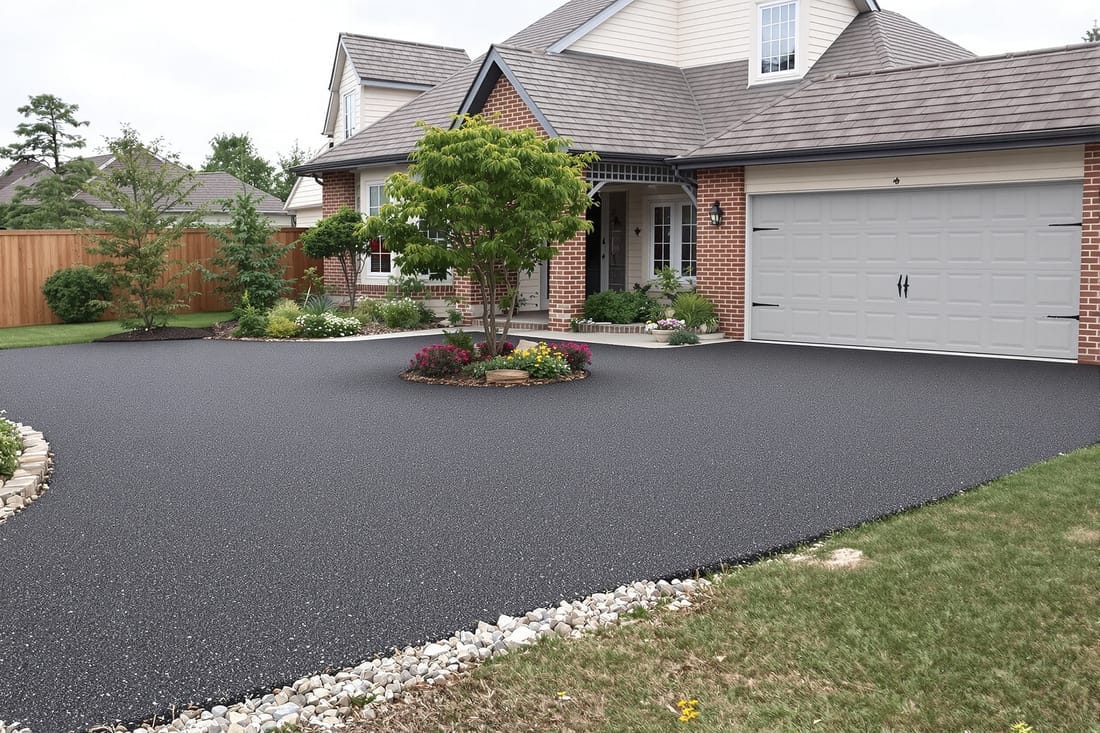
Upgrade from dust and mud with gravel to asphalt driveway conversions in Boise, ID. We regrade your existing gravel, improve the base, and install smooth blacktop that is easier to maintain. Our team designs the right thickness and drainage so your new asphalt driveway handles weather, traffic, and daily parking without rutting or washouts.
Precision Asphalt Boise provides professional gravel to asphalt driveway throughout Boise, ID, ID and the surrounding area. Our licensed, insured crew delivers safe, clean, on-time work with a free estimate before anything begins. Call (208) 783-3122 or request your free quote.
Turn Your Gravel Driveway Into a Smooth Asphalt Surface
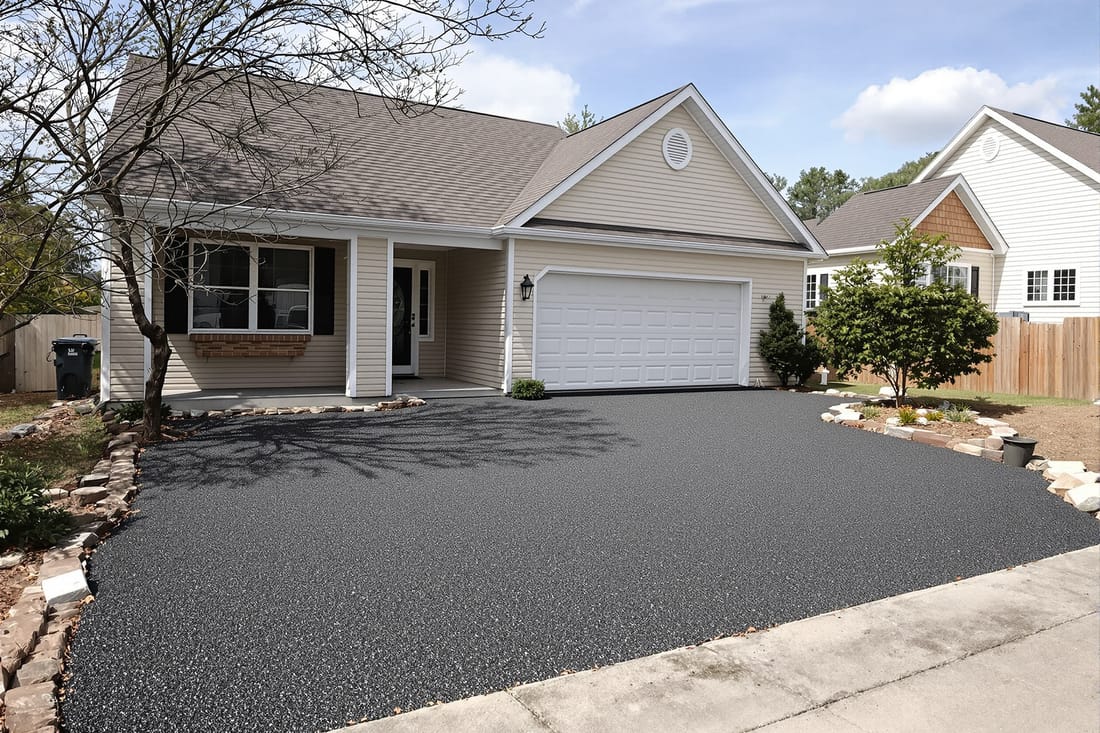
If you are tired of dust, ruts, and mud every time you pull into your driveway, a gravel to asphalt driveway conversion can make daily life in Boise a lot easier. Precision Asphalt Boise specializes in taking existing gravel driveways and transforming them into durable, low‑maintenance asphalt surfaces that hold up to Idaho’s freeze‑thaw cycles.
A proper gravel‑to‑asphalt conversion is not just about dropping hot mix on top of stones. The project starts with a detailed site visit where we measure the driveway, check drainage patterns, look at the existing gravel depth, and note any soft spots or standing water. In Boise, we pay special attention to how snowmelt runs across your property since improper drainage is one of the fastest ways to ruin a new asphalt driveway.
We will talk through how you actually use the driveway. Do you park trailers or RVs on it, turn around large trucks, or need extra width for backing out of a garage on a slope? Those details affect the thickness of the asphalt, the base prep, and the layout of the drive. During this first visit, Precision Asphalt Boise will also discuss access during construction so you know when you can and cannot drive on the surface.
How We Convert Gravel to Asphalt, Step by Step
Once the plan is set, the crew schedules your gravel to asphalt driveway conversion during a weather window that works in Boise. Most residential projects are done from April through October when daytime temps stay warm enough for proper compaction. If you call in late fall, we will be candid about whether conditions will allow a good result or if it is smarter to book early in the next season.
The first step in the actual work is grading and shaping the existing gravel. We use a grader or skid steer to establish the correct driveway crown or slope so water moves to the sides or to planned drainage points. In areas where the gravel is thin or the subgrade is soft, we excavate down and rebuild those spots rather than paving over a weak base. This is especially common on older driveways that have been topped with a little gravel year after year.
Next, we strengthen the base. Depending on what we find, Precision Asphalt Boise may add new crushed rock (typically a 3/4 inch minus aggregate) and compact it in layers with a heavy roller or plate compactor near edges and tight areas. On driveways that see heavier loads or that sit over historically wet soil, we may recommend a thicker base or even a geotextile fabric beneath the rock to separate the soil from the base material.
After the base is tight and shaped correctly, we install edging if it is part of your design. This might be simple gravel shoulders, recycled asphalt along the sides, or concrete or paver borders for a more finished look. The final step is placing hot mix asphalt. We use a paver to lay a consistent mat, then roll it several times with steel and rubber‑tire rollers to achieve a smooth, dense surface. For most Boise driveways, we apply a compacted asphalt thickness of 2.5 to 3 inches, and sometimes more in turning or heavy load areas.
Design Options for Your New Asphalt Driveway
A gravel to asphalt driveway does not have to be a dull black strip. During your estimate, Precision Asphalt Boise can walk you through different layout and finish options so the new surface matches both how you drive and how your home looks.
We can adjust the driveway width to make daily use easier. For example, many Boise homeowners widen a narrow gravel track to create a passing area, extra parking near the garage, or a sweep that allows easier trailer backing. Curved approaches can soften the look of a long drive and reduce erosion by guiding water along gently sloped edges.
Surface finishes can be tailored too. Standard machine‑laid asphalt gives a smooth, uniform appearance that is easy to shovel and plow in winter. If you want extra traction on a steeper section, we can adjust the mix and compaction technique to leave a slightly more textured surface while still being safe for snow shovels and plows. We also discuss edge treatments such as gravel shoulders, topsoil and sod, or decorative rock bands, all of which affect drainage and long‑term stability.
You can also plan for the future during the design phase. If you know you might add a shop, RV pad, or second parking area later, we can position the driveway and set elevations so tie‑ins are easier and cleaner. Precision Asphalt Boise can also note underground utilities or irrigation lines and adapt the design so you do not end up paving directly over something that will require frequent access.
What Affects Cost and How We Avoid Common Problems
Homeowners often ask why two gravel to asphalt driveway estimates can differ in price. The biggest cost drivers are base condition, driveway length and width, asphalt thickness, and site access. If your existing gravel is deep, well compacted, and drains well, the job may cost less because we spend less time rebuilding the foundation. On the other hand, a driveway with soft spots, standing water, or thin gravel will require more excavation, more rock, and more compaction time.
Slope and drainage are critical in Boise’s climate. Freeze‑thaw cycles and spring snowmelt can quickly damage asphalt that does not shed water. Precision Asphalt Boise addresses this upfront by setting proper grades and, where needed, adding shallow swales, culverts, or drain outlets. We will point out any risk areas on your property, such as water from a hillside running across the drive, and explain in plain language what it will take to manage it. This can add some cost but it is far cheaper than repairing a failing driveway a couple of winters later.
Another factor is access for equipment and trucks. Tight backyards, fences, or steep approaches sometimes require smaller machinery or more labor, which affects the price. We are transparent about these issues during the estimate so there are no surprise charges mid‑project.
Common problems on poorly converted driveways include potholes forming in former soft spots, cracking along edges that were left unsupported, and depressions where heavy vehicles park. Precision Asphalt Boise prevents these issues by reinforcing weak areas in the base, making sure asphalt extends far enough beyond the tire paths, and thickening the pavement where heavy loads routinely sit. If you already have problem areas, we can show you exactly how we will rebuild them so the problems do not reappear.
Scheduling, Curing, and Taking Care of Your New Driveway
In Boise, timing matters for a successful gravel to asphalt driveway conversion. Asphalt compacts and cures best when air and surface temperatures are warm and stable, which is why most projects are scheduled between late spring and early fall. We watch the forecast closely, and if a cold snap or heavy rain is expected, Precision Asphalt Boise will recommend shifting your installation date to protect the quality of the job.
Once the new asphalt is down, you can usually walk on it right away and drive on it within 24 to 48 hours, depending on weather and thickness. During the first week, we suggest avoiding sharp steering turns while stopped, parking heavy vehicles in the same exact spot every day, or placing motorcycle kickstands directly on the surface without a pad. In hot Boise afternoons, fresh asphalt can be slightly more impressionable, so light care during that initial period goes a long way.
Long term, basic maintenance is simple. Keep the driveway clean of oil spills and organic debris, and avoid letting water from downspouts or sprinklers run constantly across one area. We typically recommend a first sealcoat after the asphalt has gone through its initial curing period, often around 12 to 18 months, then periodic resealing after that based on traffic and sun exposure. Sealcoating is separate from the initial conversion but we can provide rough timelines and cost ranges while we are on site.
When you are ready to move from a dusty gravel approach to a smooth asphalt driveway, Precision Asphalt Boise can walk you through each step, from evaluating your existing gravel to fine‑tuning the design and scheduling the work at the right time of year. Our goal is a driveway that looks sharp, drains correctly, and stands up to years of Boise weather and daily use.